Image: Flickr / Wikimedia Commons / Unsplash
Bolt CEO Fired His Entire HR Team. He Says the Problems Vanished With Them.
Ryan Breslow's wartime reset at the fintech startup offers a blunt lesson about lean operations, culture debt, and what happens when you strip HR out of a company fighting to survive.
This article was produced by the AETW editorial team.
Bolt CEO Ryan Breslow eliminated his entire HR department and cut 30% of his workforce as part of a wartime operating reset - claiming the problems HR created disappeared when the team did. The fintech startup, which lost 97% of its valuation, is now running lean and AI-centric with roughly 100 employees.
Those problems disappeared when I let them go
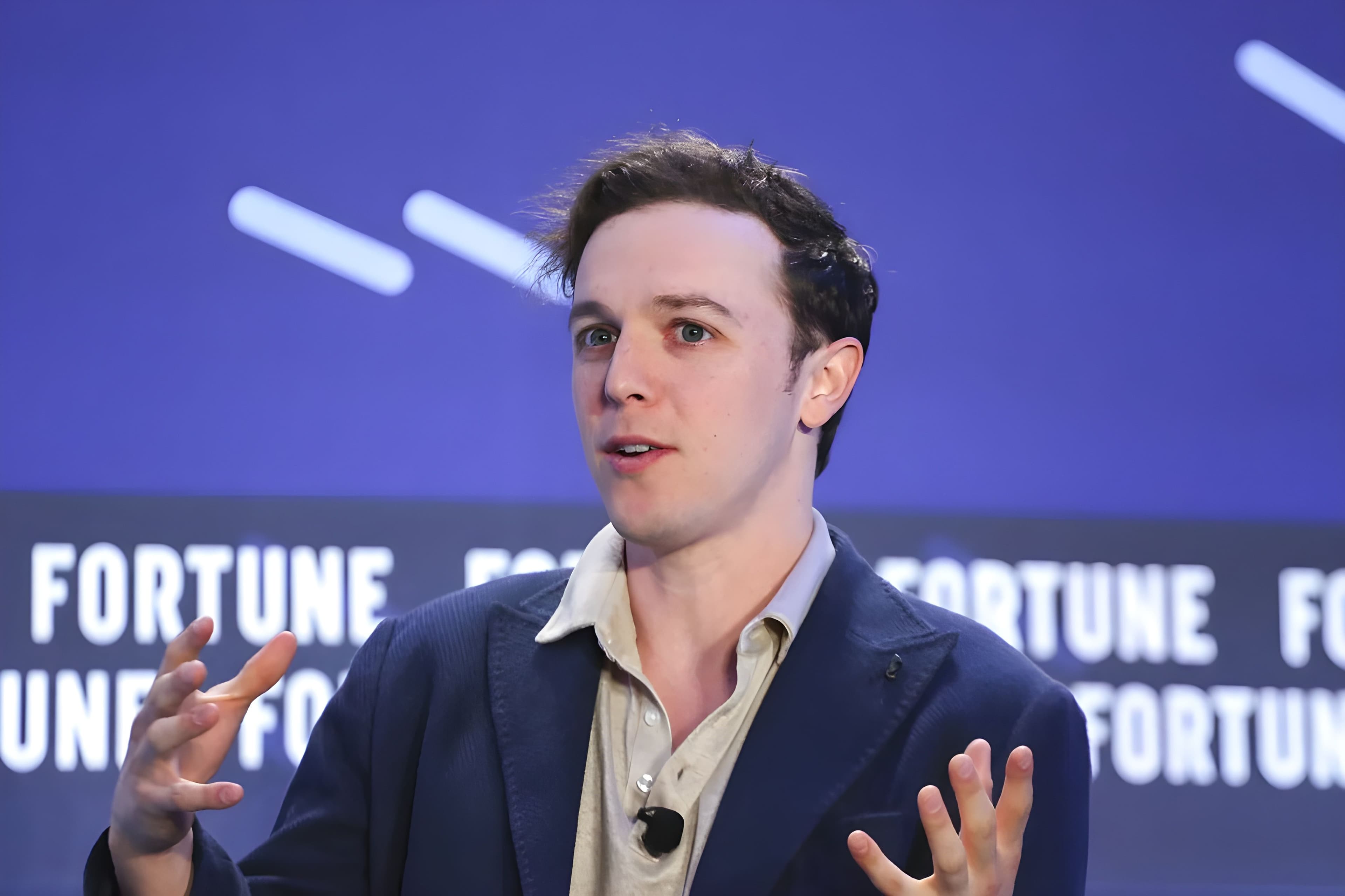
Speaking at Fortune's Workforce Innovation Summit on May 19, 2026, Bolt CEO Ryan Breslow told Fortune editorial director Kristin Stoller that his company's HR team had become a liability. "We had an HR team, and that HR team was creating problems that didn't exist," Breslow said. "Those problems disappeared when I let them go."
The comments added context to a move Breslow had first announced on LinkedIn about 11 months earlier, where he wrote that "HR is the wrong energy, format, and approach." At the time, he replaced the department with a smaller people-operations function focused on compliance training and employee support - not culture management or conflict mediation. Bolt's wartime CEO was drawing a clear line: support the mission or step aside.
From $11B to $300M: the collapse that made cuts unavoidable

Source: Growth Unhinged with Kyle Poyar
Bolt had been one of the fastest-growing fintech startups in the US, reaching an $11 billion valuation in 2022 on the strength of its one-click checkout technology. The company's fortunes reversed sharply that same year. Breslow stepped down as CEO, and by 2024, Bolt's valuation had reportedly fallen to around $300 million - a decline of nearly 97%.
The company went through four rounds of layoffs since 2022: roughly 250 jobs cut in May 2022, 10% in January 2023, 29% in December 2023, and another 30% in April 2026. At its peak, Bolt employed around 800 people. It now operates with roughly 100.
Breslow returned as CEO in March 2025, describing his mandate as operating in "wartime." He blamed the collapse on a culture of complacency that developed during the boom years - what he called a "sense of entitlement that had festered across the company." He gave existing employees 60 days to adjust to a leaner operating style after his return, and said 99% couldn't make the shift.
Leaner, more AI-centric, and built for speed
The HR cut wasn't a standalone decision - it was part of a systematic push to go lean. According to Banking Dive, Bolt internally communicated to staff that it would become "leaner and more AI-centric" as product development models shifted in 2026. Breslow described the restructuring as unavoidable.
Beyond HR, Bolt also eliminated unlimited paid time off and four-day work weeks - both perks Breslow himself had championed when the company was flush with capital. He described himself at the summit as "someone who was a pioneer of conscious leadership" who had to "bring a company back to a very gritty place."
The people-ops team that replaced HR handles what Breslow considers the non-negotiables: mandatory compliance training and a basic resource function for employees. Performance management, internal conflict resolution, and culture work have been pushed to managers or removed entirely. This is the operating model that AI-first startups are increasingly defaulting to - smaller teams, faster decisions, less bureaucratic overhead.
The uncomfortable question nobody is asking
Bolt's approach is an extreme version of a pattern visible across US tech: as AI tools absorb more internal workflow functions, companies are using the moment to strip out entire support departments and rebuild with a smaller headcount. Breslow himself acknowledged that "HR professionals have really important insights when you're in peacetime and when you're at a larger company" - the argument isn't that HR is useless, it's that it's a structural mismatch for small, high-speed teams under pressure.
Critics are less charitable. Inc.'s HR columnist Suzanne Lucas pointed out that Bolt didn't eliminate HR - it renamed it. "People ops" still performs compliance, training, and employee support. The real question is whether Breslow correctly diagnosed what was broken or simply cut the team most likely to surface difficult problems during a painful restructuring. Companies that eliminate HR under mass layoffs often discover that the "problems" being raised were early warnings about morale, legal exposure, or operational gaps.
Bolt has also faced reports of withheld employee pay and unpaid contractor obligations - claims Breslow denied at the Fortune summit. The timing of those rumors, alongside multiple rounds of layoffs and an HR elimination, is the kind of pattern that HR departments typically exist to catch before it becomes a legal or reputational issue.
What founders and operators should watch
Bolt's restructuring is still live. With roughly 100 employees, an AI-centric product direction, and a CEO framing every decision as wartime necessity, the company is betting that execution speed beats structural completeness. Whether the bet pays off will depend on whether Bolt can generate enough revenue to justify the turnaround and whether the remaining team holds together through continued pressure.
For US founders watching this: the Bolt story is not primarily about HR. It's about what happens when a startup scales into a culture it can't sustain, then has to burn it down and rebuild. The lean startup culture Breslow is enforcing now should have been the default from the beginning - before the entitlement, before the valuation inflation, before the wartime CEO needed to return. Ryan Breslow, a former pioneer of conscious leadership, is now running one of the hardest reversals in fintech: convincing a skeptical market that his company isn't just cutting costs but actually building something worth watching again.
Sources
Brian Weerasinghe is the founder and editor of AI Eating The World, where he covers artificial intelligence, tech companies, layoffs, startups, and the future of work. His reporting focuses on how AI is transforming businesses, products, and the global workforce. He writes about major developments across the AI industry, from enterprise adoption and funding trends to the real-world impact of automation and emerging technologies.