Image: Flickr / Wikimedia Commons / Unsplash
Parker, the E-Commerce Fintech That Raised $200M, Files for Chapter 7 Bankruptcy
The YC-backed corporate credit card startup has shut down abruptly, leaving small business customers stranded and failed acquisition talks as the likely trigger.
This article was produced by the AETW editorial team.
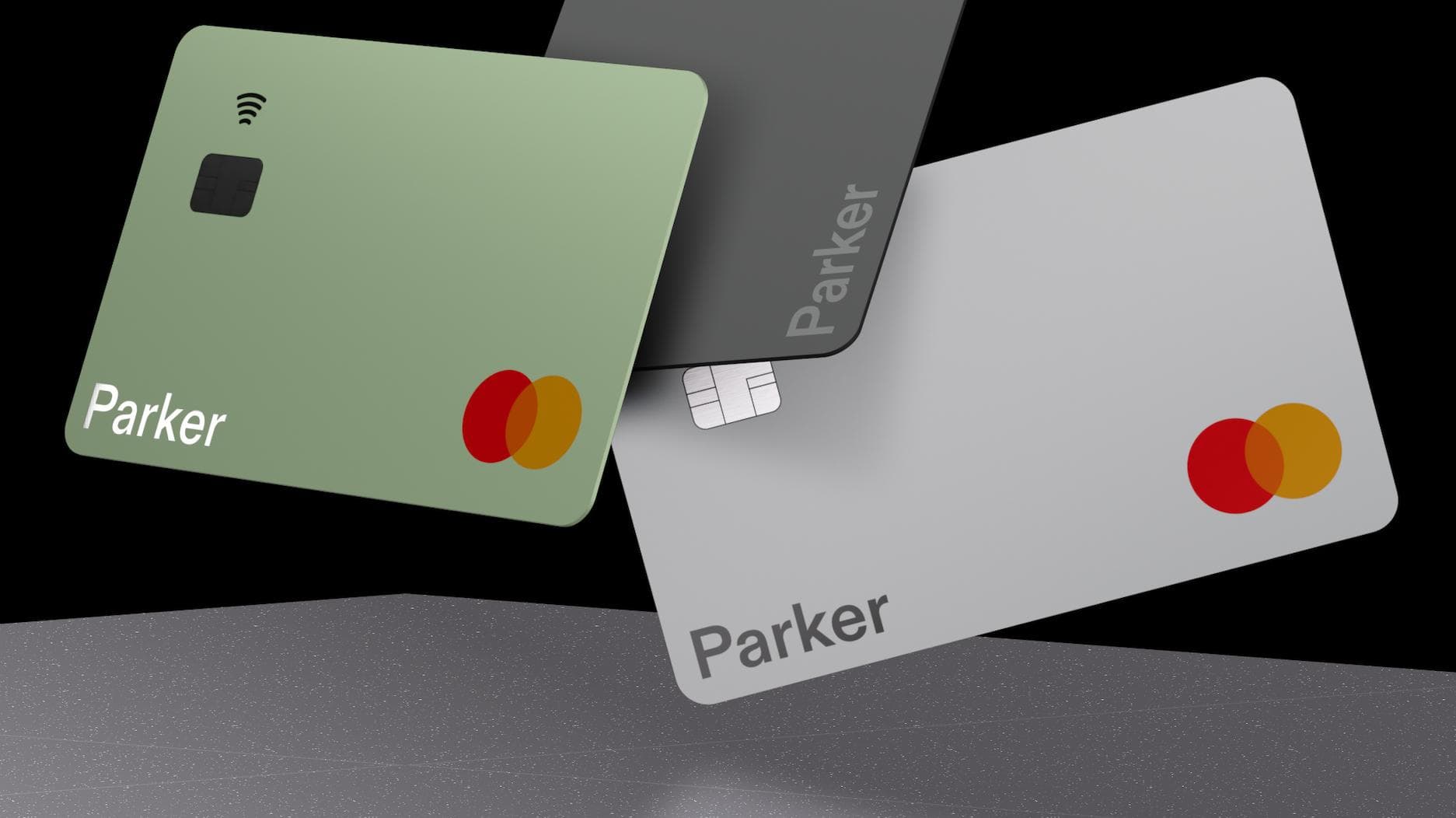
Parker, a Y Combinator-backed fintech offering corporate credit cards for e-commerce businesses, filed for Chapter 7 bankruptcy on May 7, 2026, and has shut down entirely — despite raising over $200 million in total funding.
What happened
Parker, a fintech startup that offered corporate credit cards and banking services tailored to e-commerce businesses, filed for Chapter 7 bankruptcy protection on May 7, 2026, and appears to have shut down completely. The filing lists between $50 million and $100 million in assets, liabilities in the same range, and between 100 and 199 creditors.
The company was part of Y Combinator's Winter 2019 cohort and raised over $200 million in total funding, including a $125 million lending arrangement and a Series A led by Valar Ventures — the Peter Thiel-linked firm that has backed TransferWise and N26. Parker came out of stealth in 2023 positioning itself as a credit solution built specifically for e-commerce cash flows.
Chapter 7 means full liquidation, not restructuring. Assets are sold to pay creditors, and the company ceases to exist. For a startup that had publicly reported $65 million in revenue and was still boasting its funding figures on its homepage days after the shutdown, the contrast is stark.
Failed acquisition, stranded customers
Fintech consultant Jason Mikula reported that Parker had been in negotiations for a potential acquisition before the bankruptcy filing. When those talks collapsed, the shutdown followed abruptly. Parker's credit card banking partner, Patriot Bank, notified customers of the closure this week.
The sudden nature of the shutdown has left small business customers scrambling. Corporate card programs typically require migration time, and an abrupt cutoff creates real disruption for businesses that had built financial operations around Parker's products. Mikula also raised questions about the oversight responsibilities of banking partners Piermont and Patriot Bank in the program.
As of this writing, Parker's website remains live with no mention of the shutdown. CEO Yacine Sibous has not publicly acknowledged the bankruptcy on LinkedIn. A recent post from Sibous restated the $200 million funding figure and noted the company had reached $65 million in revenue, while adding that if he could start over, he would avoid over-hiring and reactive decisions.
A crowded market with no room for error
Parker competed in a space with well-capitalized incumbents. Brex famously moved upmarket to focus on enterprise clients after finding small business economics unsustainable. Ramp has built a defensible position around cost-cutting tools and AI-driven expense management. Both now operate at scale with proven unit economics.
Parker's core proposition — an underwriting model designed around e-commerce cash flows — was differentiated on paper. But the corporate card and banking infrastructure business is capital-intensive, and interchange revenue has faced pressure from regulatory scrutiny industry-wide. Customer acquisition costs have also risen sharply across the sector.
The broader pattern holds: startups that raised at high valuations during the 2021 funding cycle have been forced to either demonstrate sustainable economics or shut down. Parker appears to have run out of runway before it could close either gap.
The open question
Chapter 7 bankruptcy cases typically resolve within four to six months. Parker will be required to produce detailed listings of its creditors, remaining assets, and financial transactions for the bankruptcy court.
For now, the more pressing question is what happens to customers. FDIC-insured banking partners should protect deposits, but the operational disruption is real. Competitors like Brex and Ramp will likely absorb former Parker customers, accelerating consolidation in a space that has been contracting for over a year.
A $200 million raise ending in Chapter 7 liquidation is unusual by any standard. It will add to ongoing scrutiny of how fintech startups partnering with smaller community banks manage risk, and what obligations those banking partners carry when a program collapses.
Sources
Brian Weerasinghe is the founder and editor of AI Eating The World, where he covers artificial intelligence, tech companies, layoffs, startups, and the future of work. His reporting focuses on how AI is transforming businesses, products, and the global workforce. He writes about major developments across the AI industry, from enterprise adoption and funding trends to the real-world impact of automation and emerging technologies.