Image: Flickr / Wikimedia Commons / Unsplash
The Fintech Card That Might Not Charge You - Or Might
The viral debit card that might not charge you is drawing backlash for applying variable-reward psychology to everyday spending.
This article was produced by the AETW editorial team.
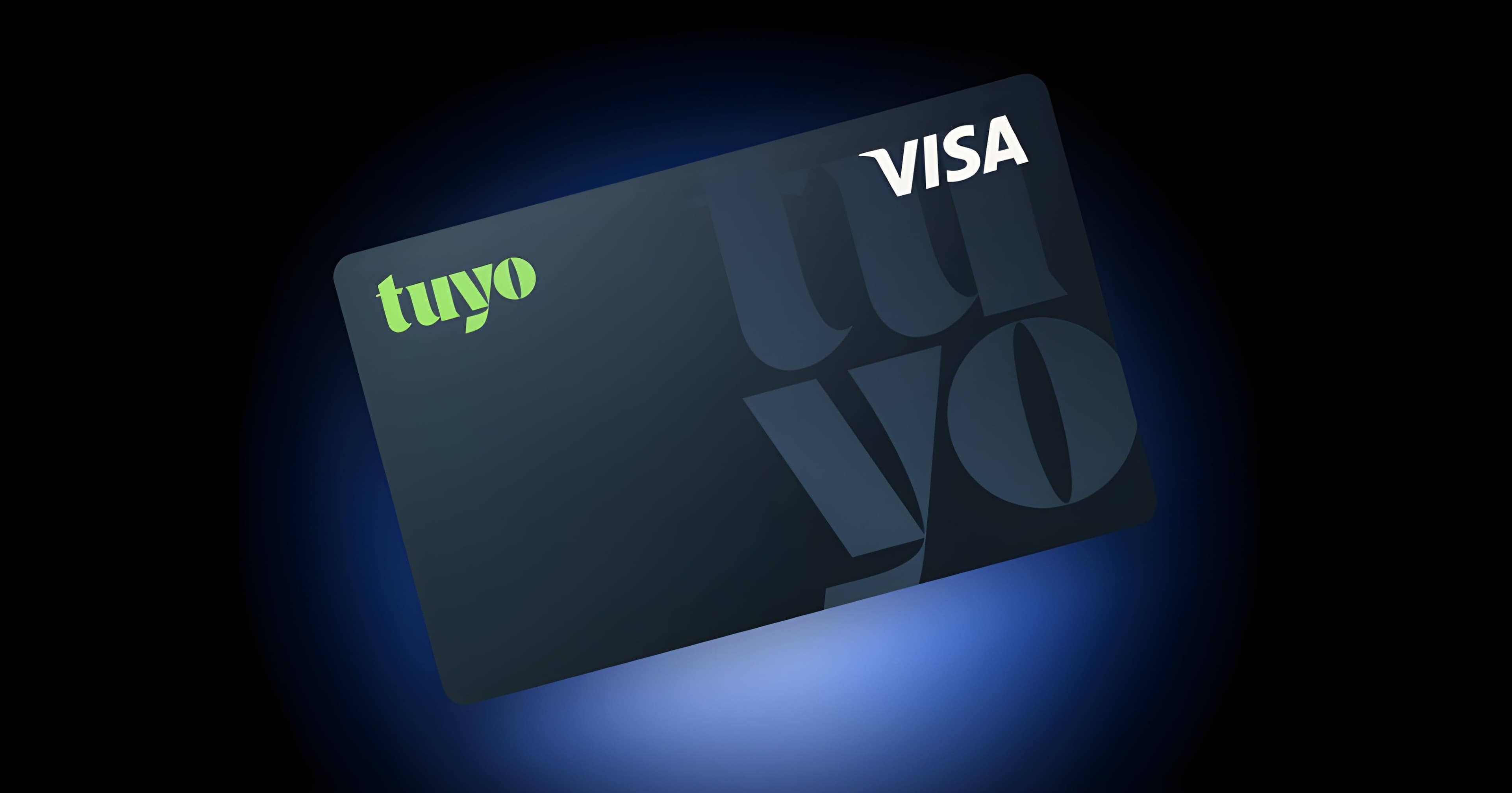
Tuyo launched a Visa card on May 7 that randomly waives purchases using an undisclosed algorithm. The product went viral, then drew sharp criticism for borrowing mechanics from slot machines.
The card that might not charge you
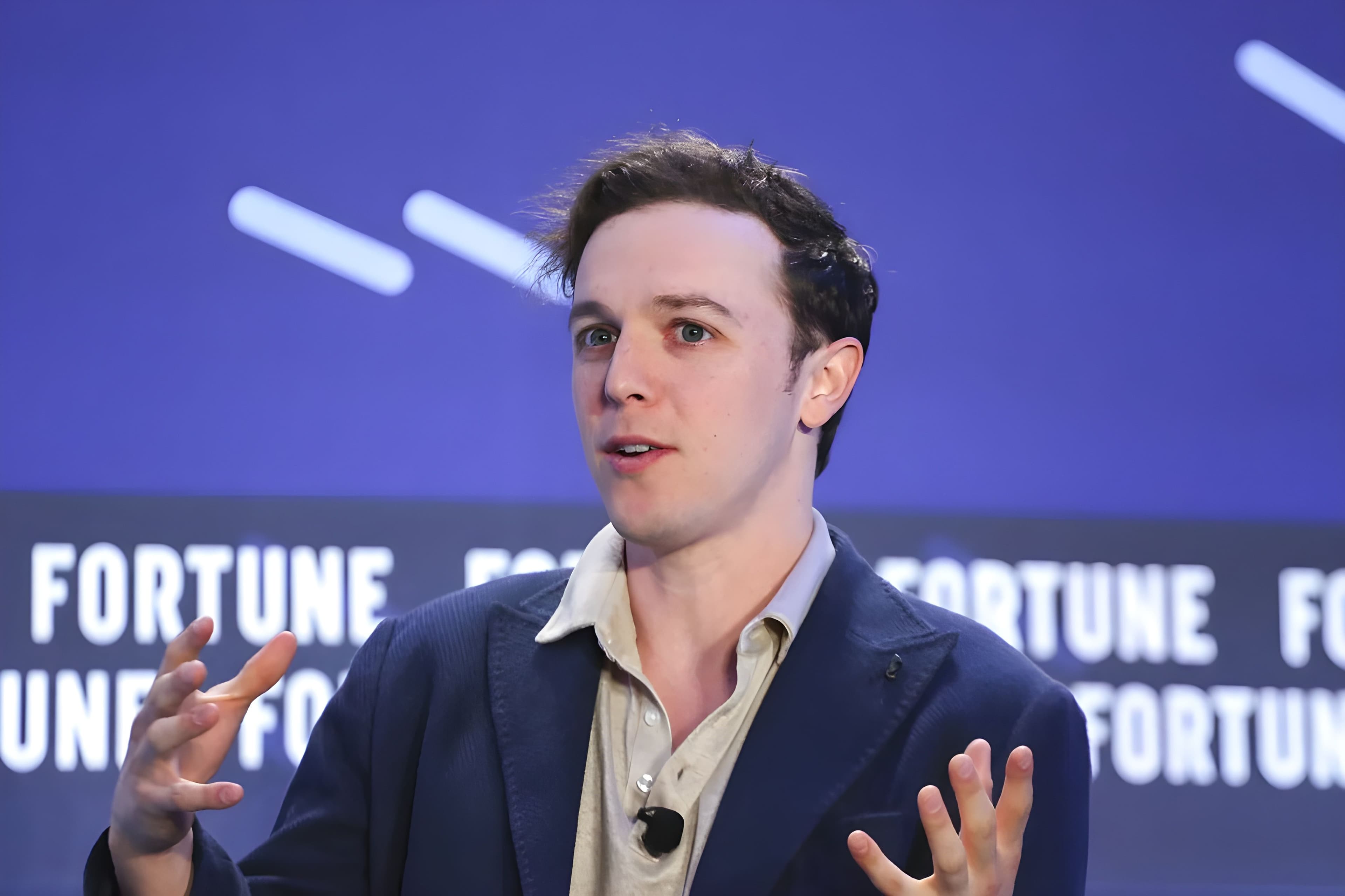
Tuyo, a U.S. fintech company incorporated in Delaware and led by CEO Jorge Izquierdo, launched a product on May 7, 2026 it calls 'Buy Now, Pay Maybe.' The pitch is simple: use the Tuyo Visa card, and some of your purchases might cost you nothing. The card works at 175 million locations and had already crossed 50,000 users at launch.
The card is virtual-only for now, runs on Visa's Platinum tier, and is issued out of Puerto Rico. That gives cardholders access to standard Visa Platinum perks: extended warranty coverage up to $10,000 per year, price protection within 30 days of purchase, and theft protection on items bought with the card. It also supports Apple Pay, which means it works at physical terminals despite having no physical card. There are no overdrafts and no credit lines. Users need a positive cash balance to spend.
How the algorithm decides
When challenged online, Tuyo clarified that a free purchase is not random in the pure sense. The company said on X that 'an algorithm grants free purchases to maximize customer happiness.' No further detail was given about what inputs the algorithm uses, how frequently it fires, or what dollar amounts are eligible.
Early adopters posting on X reported free purchases ranging from roughly $5 to $100, covering meals, gifts, and small consumer items. No one has reported a high-ticket item being waived. Whether that ceiling is a hard limit or an artifact of the user base's spending patterns has not been disclosed by Tuyo.
The slot machine comparison
Critics quickly drew a line between Tuyo's model and variable-reward mechanics used in gambling and gaming. Slot machines and loot boxes work on the same principle: unpredictable, intermittent rewards keep users engaged longer than fixed rewards do. The same behavioral dynamic - not knowing when a win will occur - is what Tuyo is applying to a coffee or a lunch.
Gambling harm researchers have flagged the product specifically on these grounds, arguing that users may develop compulsive spending habits and that the unpredictability can trigger the same psychological loop as chasing a loss in a casino. Tuyo pushed back, stating on X that Buy Now, Pay Maybe is not gambling, citing the absence of debt and the lack of any loss mechanics. Whether regulators accept that framing is a separate question.
What the terms actually say
A closer look at Tuyo's terms reveals the full scope of the company's discretion. The terms state that Tuyo 'makes no promise, representation, warranty, or guarantee that any particular transaction, or any transaction at all, will receive the BNPM benefit. The frequency, eligibility, and conditions under which BNPM may' apply are left unspecified.
That language means users have no contractual basis to expect a free purchase, no visibility into the odds, and no recourse if the benefit is reduced or removed. Tuyo retains full control over when and whether the algorithm fires. Compared to cashback programs, which at least define rates and categories in advance, Buy Now, Pay Maybe offers less predictability by design.
The regulatory gap
Consumer finance regulators generally require disclosure of material terms: interest rates, fee structures, reward conditions. Buy Now, Pay Maybe sits in ambiguous territory. Because it involves no credit, no debt, and no guaranteed benefit, existing disclosure frameworks may not cleanly apply.
Critics have called on regulators to at minimum require Tuyo to publish the odds or eligibility conditions under which the benefit activates. Without that, users are spending real money in exchange for an undefined probability of getting it back - a structure that resembles a lottery more than a rewards card, even if Tuyo characterizes it differently. Whether the CFPB or state-level regulators choose to examine the product is an open question.
Sources
Brian Weerasinghe is the founder and editor of AI Eating The World, where he covers artificial intelligence, tech companies, layoffs, startups, and the future of work. His reporting focuses on how AI is transforming businesses, products, and the global workforce. He writes about major developments across the AI industry, from enterprise adoption and funding trends to the real-world impact of automation and emerging technologies.