Image: Flickr / Wikimedia Commons / Unsplash
Wix Plans Its Largest Layoffs Ever as AI Costs and Losses Mount
The website-builder giant is cutting up to 1,000 jobs - about 20% of its workforce - after a quarter that delivered losses alongside revenue growth and operating expenses that surged 50% year-over-year.
This article was produced by the AETW editorial team.
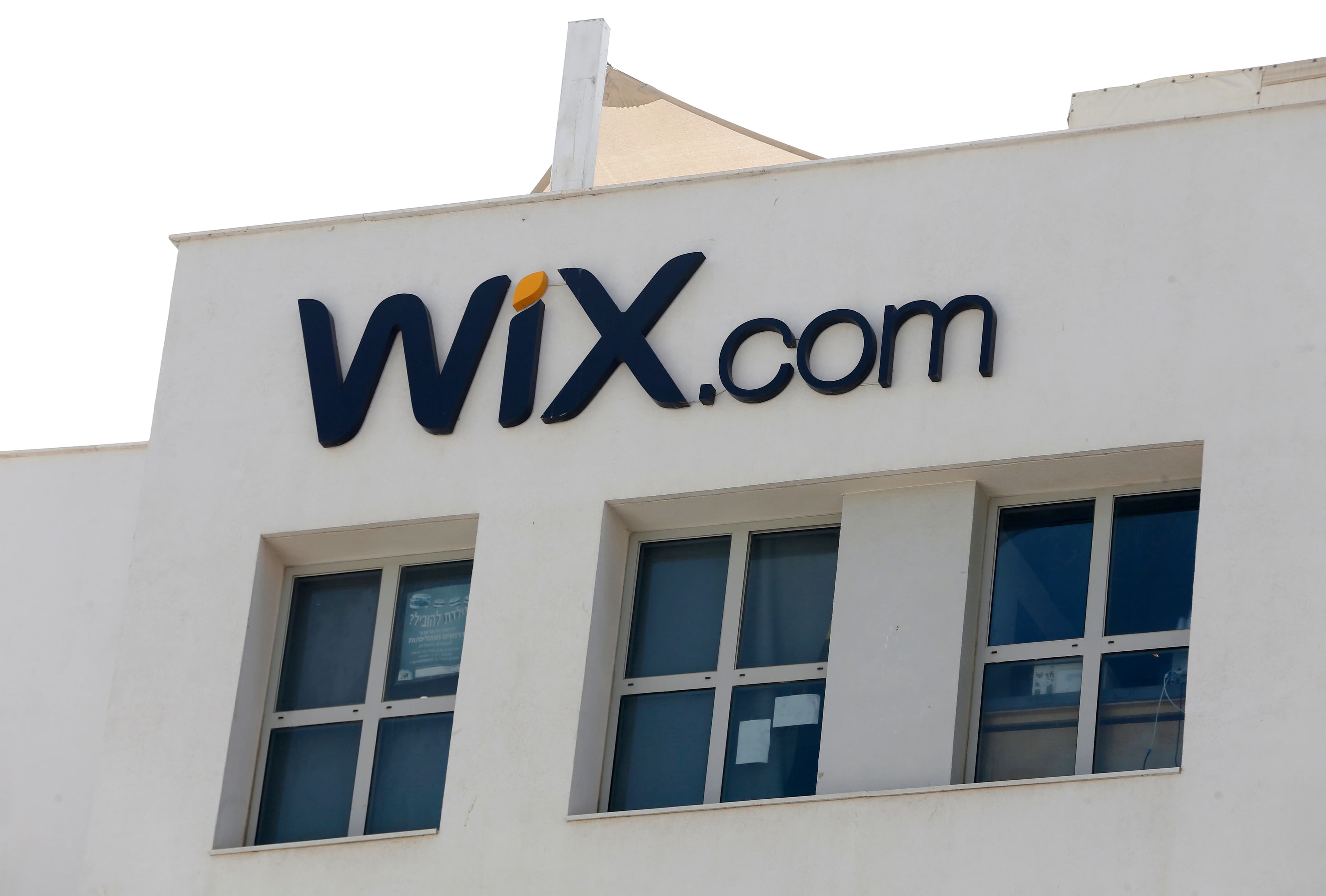
Wix is preparing its largest-ever round of layoffs, cutting up to 1,000 employees as Q1 losses, a 50% stock decline, and the rising costs of its AI acquisition collide.
The quarter that forced the decision
Wix is preparing to cut between 800 and 1,000 employees in the coming months - approximately 20% of its global workforce of 5,277 - in what the company's own history marks as the largest round of layoffs it has ever carried out. More than 60% of those employees are based in Israel, where Wix was founded and remains headquartered.
The decision follows a first quarter that, on the surface, showed growth but underneath revealed a company burning through cash at an alarming rate. Revenue climbed 14% year-over-year to $541 million. But the company posted a net loss of $57.5 million, a sharp reversal after multiple profitable quarters. Operating expenses jumped 50% to $423 million - rising from 21% of revenue in Q1 2025 to 35% in Q1 2026. Free cash flow fell 21% to $112 million. Wix stock has dropped roughly 50% since January, making it one of the steeper tech declines of the year in both the US and Israeli markets.
Adding to the pressure: Wix launched a $1.6 billion share buyback program in March, a move designed to shore up investor confidence that nearly emptied its cash reserves, leaving the company with approximately $900 million on hand against roughly $1 billion in debt due in four and a half years.
The Base44 paradox

Source: wix.com
Much of Wix's growth narrative over the past year has been built around Base44, an AI-powered vibe coding platform that lets users build software through natural-language prompts. Wix acquired it for $80 million last year. By May 2026, Base44's annual recurring revenue had reached $150 million - well ahead of targets and a genuine standout in the company's portfolio.
But Base44's success has come with compounding financial friction. The platform demands heavy investment in compute infrastructure to function at scale. Its rapid growth has also triggered milestone-based payments to founder Maor Shlomo, who received $38 million in Q1 alone, with additional payments expected throughout the year. On top of that, Wix ran two Super Bowl advertisements in early 2026 - one for its core product and a second specifically for Base44 - pushing marketing expenses up $90 million in the quarter. The result is a business that is simultaneously growing and hemorrhaging cash, with the AI acquisition at the center of both dynamics.
This is a pattern worth paying attention to for US operators and investors watching AI acquisitions across the software industry. Buying your way into AI growth is not cost-free - and the operating leverage that made classic SaaS businesses attractive does not automatically transfer to AI-native platforms that require ongoing compute investment and performance compensation structures tied to ARR milestones.
AI replacing jobs - the official rationale
Wix management has cited AI as a central driver of the restructuring, pointing to the increasing redundancy of roles that AI tools can now handle across development, design, and support functions. This puts Wix in a growing category of tech companies framing workforce reductions not as a response to failure but as a natural outcome of AI adoption - a distinction that matters for how employees, regulators, and investors interpret these decisions.
The layoffs come months after Wix mandated a full return to office across its global operations, requiring employees in Israel and at other centers to work on-site five days a week. That move generated significant internal pushback and broader criticism within the Israeli tech industry. The combination of a strict return-to-office policy followed quickly by large-scale job cuts is a sequence that has played out at other US and global tech companies over the past two years, often signaling a more fundamental strategic reset rather than a short-term cost adjustment.
Wix previously carried out layoffs in 2022 and 2023, both of which were largely concentrated in overseas service and support staff. The current round is considerably broader in scope and reach - affecting technical, operational, and other roles across the global headcount, not just customer-facing support positions.
The wider signal for web-building platforms

Source: X - Avishai_ab
Wix occupies a specific position in the US market: a Nasdaq-listed platform ($WIX) that competes directly with Squarespace, Shopify's web presence tools, and increasingly with AI-native website builders that have emerged since 2024. The layoffs signal that even at $541 million in quarterly revenue, the economics of maintaining a large global workforce are under acute pressure when AI job displacement is happening inside the product teams building those platforms.
For American small businesses, agencies, and developers who rely on Wix - and for the broader ecosystem watching how AI-first product pivots affect headcount and platform stability - the story here is less about a company in crisis and more about an accelerating structural shift. Platforms that built their moats on large teams of designers, support staff, and engineers are now finding that the same AI tools they are selling to customers are making those teams harder to justify. Base44 is the clearest example of that tension inside a single balance sheet.
What to watch
- Whether Wix provides an official headcount breakdown by region - particularly how many US-based roles are affected versus Israeli operations, where over 60% of staff are located.
- How Base44's growth trajectory holds through the rest of 2026, and whether ARR momentum can offset the structural cost increases tied to compute, marketing, and milestone payments.
- The stock recovery timeline: WIX is down ~50% YTD despite strong revenue. Investor response to the restructuring announcement will indicate whether the market reads this as a credible cost reset or a sign of deeper structural problems.
- Competitive pressure from AI-native website builders that carry far smaller headcounts and can move faster on pricing - a dynamic that US-based Squarespace will also need to navigate.
Sources
Brian Weerasinghe is the founder and editor of AI Eating The World, where he covers artificial intelligence, tech companies, layoffs, startups, and the future of work. His reporting focuses on how AI is transforming businesses, products, and the global workforce. He writes about major developments across the AI industry, from enterprise adoption and funding trends to the real-world impact of automation and emerging technologies.