SpaceX's historic Nasdaq debut on June 12 raised $75 billion and created more than 4,400 employee millionaires - including welders and machinists, not just executives. With Anthropic and OpenAI preparing to follow, AI startup workers are drawing a direct line between SpaceX's payout and their own equity comp decisions.
4,400 millionaires in 24 hours
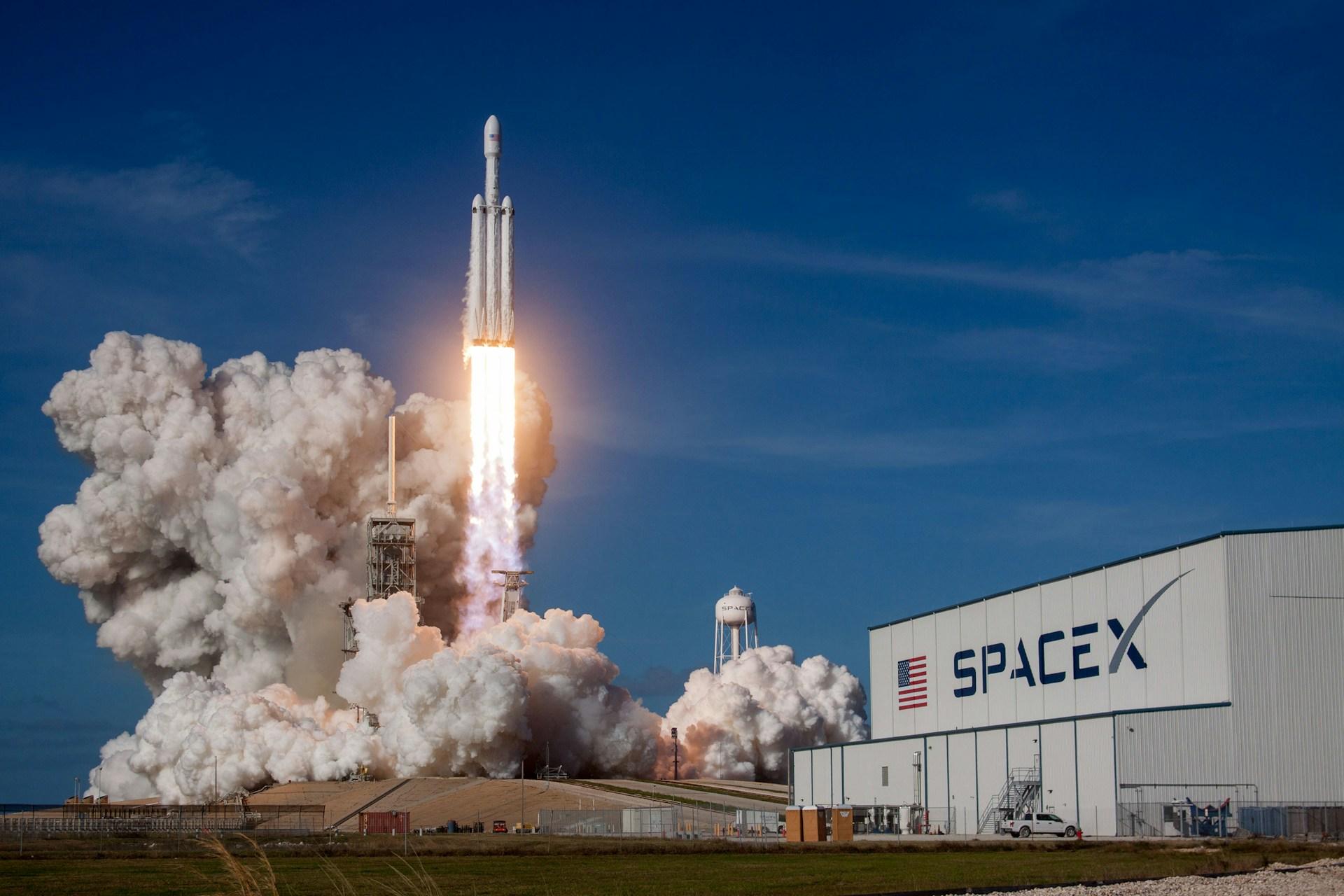
On June 12, SpaceX began trading on the Nasdaq under the ticker SPCX, raising $75 billion at $135 per share - the largest IPO in history, surpassing Saudi Aramco's 2019 record. The listing valued the company at roughly $1.77 trillion, making it the seventh-largest US company by market cap on day one, ahead of Tesla.
According to analysis by Hiive.com, a San Francisco-based investment platform, more than 4,400 current and former SpaceX employees are expected to become millionaires through the listing. Of those, roughly 400 are projected to hold stakes worth $100 million or more. SpaceX currently employs around 22,000 people, meaning roughly one in five employees is walking away from this event with seven-figure wealth.
The employee pool runs deeper than executives. SpaceX's workforce includes tens of thousands of machinists, welders, and technicians who received company stock as part of their compensation - many of whom took below-market salaries for years in exchange for equity in a company Elon Musk told them would eventually go public.
Equity over salary, validated
The SpaceX compensation philosophy was a deliberate bet. Musk consistently told staff that their salary mattered less than their equity stake, framing the eventual IPO as the payoff. For many employees - especially early hires - that message proved to be worth holding onto.
Tom Mueller, SpaceX's first employee, joined in 2002 as the rocket engineer behind the Merlin and Raptor engines. He left in 2020 but held his shares. Juan Hernandez moved from Mexico, joined in 2015 as a welder at $28 per hour, and turned a $10,000 initial stock grant into a far larger position by continuing to buy through payroll deductions. Both are now millionaires.
Not everyone held. Some employees sold pre-IPO shares for what multiple reports describe as restaurant gift card-equivalent value, convinced SpaceX would never go public given Musk's publicly stated disdain for markets. Those workers are now openly regretting that call.
The lockup structure adds complexity to the payout. SpaceX implemented a staggered release schedule rather than the standard 180-day cliff. Insiders can sell up to 20% of their locked shares following the Q2 2026 earnings release - expected between mid-July and September - with an additional 10% available if the stock trades at least 30% above the $135 IPO price on five of ten consecutive trading days. Additional tranches unlock at 70, 90, 105, 120, and 135 days post-IPO, with the full lockup expiring around mid-December 2026.
This is also an AI story
The SpaceX Nasdaq debut is as much an AI listing as it is a space one. In February 2026, Musk completed an all-stock merger between SpaceX and xAI, his AI company, in a deal that valued the combined entity at $1.25 trillion. That merger folded in Grok, the Colossus data center running more than 220,000 Nvidia GPUs, and an emerging orbital data center partnership with Google. Public shareholders buying SPCX are buying exposure to all of it.
The combined entity's financials are complicated. SpaceX posted $18.67 billion in revenue for full-year 2025 but a $4.94 billion net loss, driven primarily by xAI's $14 billion in capital spending against only $3.2 billion in revenue. Starlink remains the sole reliably profitable business, generating $11.4 billion in revenue and $4.4 billion in operating income. The AI division is burning capital at a pace that makes profitability a future-state thesis.
The governance structure matters here too. Musk holds roughly 82% of voting power post-IPO. Nasdaq rewrote its index rules specifically to accommodate mega-cap IPOs of this scale - SpaceX is expected to float barely 4% of its equity, well below the exchange's previous 10% minimum float requirement, which was quietly eliminated ahead of the listing.
Anthropic and OpenAI employees are running the same math
SpaceX's payout is being watched closely by workers at the AI labs preparing for what comes next. Anthropic confidentially filed its IPO prospectus with the SEC in June 2026, recently valued at roughly $965 billion following a Series H funding round. OpenAI filed days later, targeting a September listing at a valuation of $852 billion to $1 trillion. Both companies have used equity compensation as a primary talent acquisition tool.
The SpaceX model provides a concrete reference point: employees who held equity through the liquidity event - even those who joined mid-career in non-technical roles - saw real wealth creation at a scale salary alone cannot replicate. The lesson for AI workers watching from Anthropic and OpenAI isn't simply 'hold your equity.' It's that the model actually works when the company goes public, and after years of uncertainty, there's now a data point that it can.
The differences are worth being clear-eyed about. SpaceX had 24 years to accrue employee ownership before going public. Anthropic was founded in 2021. SpaceX had Starlink as a profitable anchor business. Both Anthropic and OpenAI are running at significant losses as they scale model development, compute infrastructure, and product distribution. The equity upside is real, but so is the path dependency.
What to watch
The first real liquidity test for SpaceX employees arrives when Q2 2026 earnings are released - likely late July or August - when the initial 20% tranche becomes eligible for sale. How many employees use that window to diversify versus hold will give early signals on where SPCX trades in its first months as a public company.
For the broader AI IPO wave, SpaceX has established both a valuation floor and a structural model. Axios reported that Goldman Sachs and Morgan Stanley - the co-leads on the SpaceX deal - are expected to run both Anthropic and OpenAI's processes, and that a fixed-price structure (rather than a traditional auction) may become standard for the remaining mega-cap listings.
The open question is whether public markets have the appetite to absorb two more trillion-dollar AI listings in the same calendar year. Combined, SpaceX, Anthropic, and OpenAI represent a roughly $3.6 trillion ask from US equity markets - an amount equivalent to the GDP of France. SpaceX's successful debut answers part of that question. The rest of the answer arrives this fall.
Sources
Related: The New York Times - SpaceX IPO employee millionaires (via Hiive.com analysis)CNBC - SpaceX targets $135 IPO price at $1.77 trillion valuationFortune - SpaceX employees set to become multimillionairesFortune - SpaceX share price and index fund mechanicsDarrow Wealth Management - SpaceX IPO employee lockup release datesAxios - SpaceX IPO as model for Anthropic and OpenAIIG International - SpaceX, OpenAI, Anthropic 2026 IPO analysis