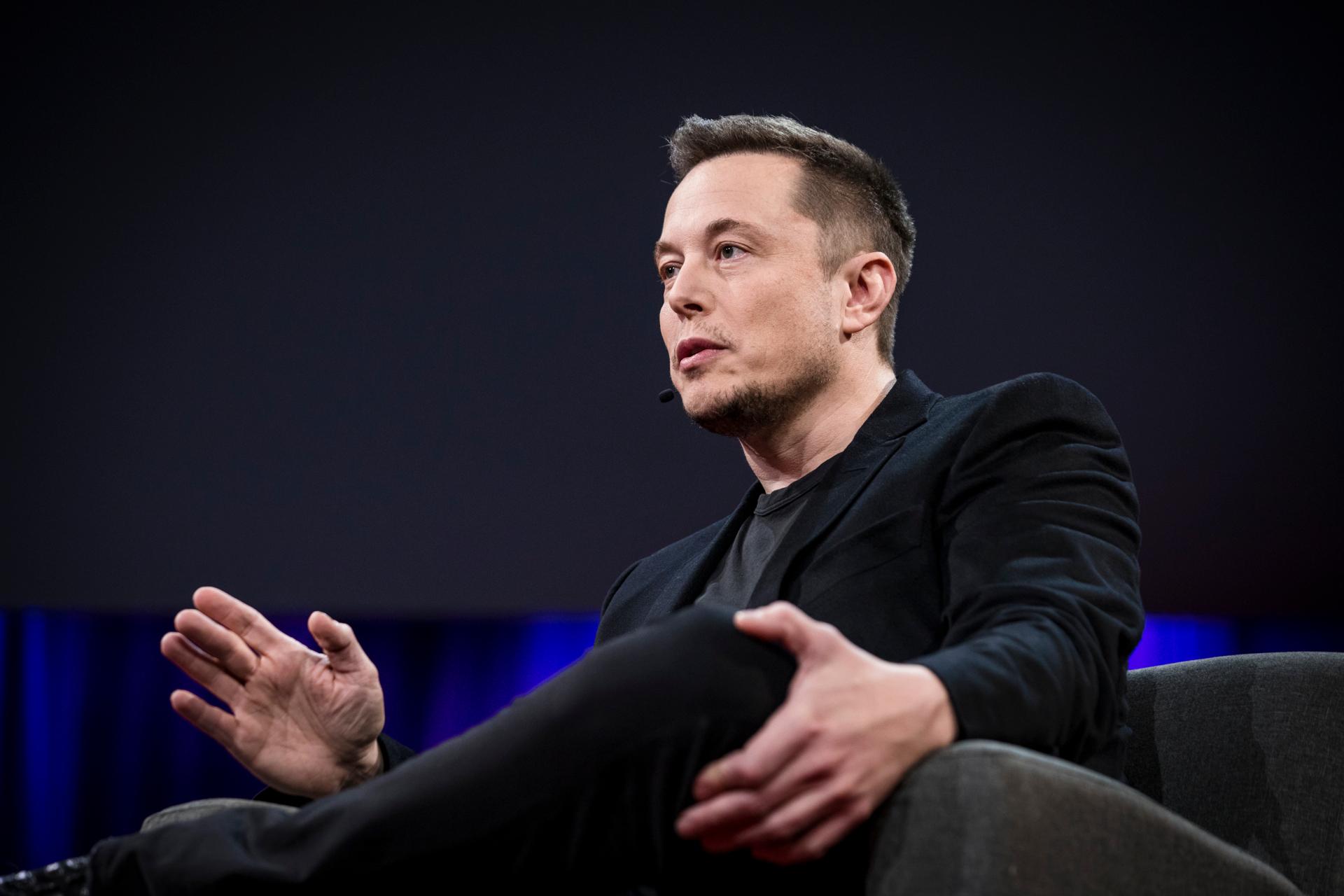
Elon Musk became the world's first trillionaire today as SpaceX began trading on Nasdaq under the ticker SPCX, with shares opening 11% above the $135 IPO price. The offering raised $75 billion - more than double any prior IPO - and the SpaceX valuation hit $1.96 trillion at open.
How the number hit $1.1 trillion
SpaceX's $135 IPO price, set on June 11, 2026, valued the company at $1.77 trillion. At that price, Musk's stake - which includes 4.76 billion vested shares plus additional share classes and vested options detailed in the S-1 filing - came to roughly $866.5 billion, according to CNBC's reading of the prospectus. SpaceX now drives close to 80% of his total fortune.
Add in his Tesla holdings (approximately 11% of Tesla's common stock, which was the engine of his wealth buildup through 2021), the xAI and X businesses (the xAI merger with X in February 2026 added roughly $100 billion in a single corporate action), and other investments, and Forbes and Reuters placed total net worth at $1.1 trillion ahead of the market debut.
When SPCX opened at $150 per share on June 12, the intraday high reached $168.75, briefly pushing his paper wealth to approximately $1.18 trillion. No individual in recorded history - not Rockefeller at the peak of Standard Oil, not Carnegie, not Bezos at the height of Amazon - has held this much wealth. At $1.1 trillion, Musk is roughly four times richer than the second-wealthiest person on Earth: Google co-founder Larry Page at $292.7 billion.
The SpaceX IPO by the numbers
SpaceX sold 555.6 million shares at $135 apiece, raising $75 billion in the biggest IPO in history - surpassing Saudi Aramco's 2019 record offering by more than double. Thirty percent of the public shares were set aside for retail investors, far above the typical 5-10%, which is why retail brokerage apps suddenly had a request-shares button for a company that had been private for 24 years.
The company, founded by Musk in an El Segundo, California warehouse in 2002, now trades on Nasdaq under the ticker SPCX. The $1.77 trillion IPO valuation puts it ahead of Tesla and JPMorgan, making it one of the largest publicly listed companies in the world. At the open price of $150, the market cap hit $1.96 trillion.
Musk said the company went public because it needs capital to fund its goals of launching satellites and data centers into orbit and eventually establishing a human colony on Mars. Per the S-1 filing, SpaceX lost $8.7 billion between January 2025 and March 31, 2026. Getting to Mars is expensive.
The catch the headlines are skipping
The SpaceX valuation at IPO was $1.77 trillion. Morningstar pegs fair value near $780 billion - less than half that. ARK Invest projects up to $3.1 trillion by 2030. Both forecasts reflect how genuinely contested this number is. The company trades at approximately 94 times 2025 revenue with ongoing net losses.
The xAI segment posted a $6.36 billion operating loss in 2025. Capital expenditures for the AI business came in at $7.7 billion in just the first three months of 2026, a sharp acceleration from $12.7 billion for all of full-year 2025. These are not rounding errors.
There is also the structure. Through a dual-class share arrangement, Musk retains nearly 80% of voting control. Retail buyers of SPCX participate in financial upside but have no practical say in how the company operates. And with 90-to-180-day lockup periods expiring later this year, the largest insider selling event in market history could arrive around December 2026.
The elon musk trillionaire milestone is also, in large part, paper wealth. Most of Musk's fortune sits in shares he has not yet sold.
What comes next for AI IPOs
SpaceX's debut sets a new reference point for what's coming. According to SpaceX's own IPO filing, both Anthropic and OpenAI recently filed confidential paperwork with the SEC for initial public offerings of their own. Dates have not been announced, but the SPCX listing - the largest in history - has raised the bar for what AI company valuations can look like in public markets.
For US enterprise teams and founders watching the IPO pipeline, this is the signal. The private-to-public window for major AI companies is open. Anthropic, which builds Claude and has been valued at over $60 billion in its most recent private round, and OpenAI are the two names to watch for what comes next.
The top 10 richest people now hold roughly $3 trillion combined, with Musk accounting for more than a third of that total. Nine of the ten are American. Eight of the ten fortunes were built in technology. The AI boom lifted Jensen Huang, Larry Ellison, and Michael Dell to record wealth over the past year. The wealth concentration story is not slowing down.
Sources
Related: Variety - SpaceX Stock Opens Up 11% in Biggest-Ever Public OfferingCBS News - Elon Musk Becomes World's First Trillionaire With SpaceX IPOAP via 1011now - Elon Musk Becomes World's First Trillionaire With SpaceX IPOFox Business - Elon Musk Becomes World's First Trillionaire Following SpaceX IPOVisual Capitalist - Elon Musk Becomes World's First TrillionaireIndMoney - Elon Musk Net Worth: Inside History's First Trillionaire's Journey