At WWDC 2026, Apple unveiled Siri AI - the biggest overhaul to its assistant since 2011 - powered by Google Gemini, rebuilt cross-app context, and a standalone chatbot app. Here is a full breakdown of what launched, what Apple borrowed, and whether this is actually a comeback or a very expensive patch job.
Two years of promises, one very public stumble
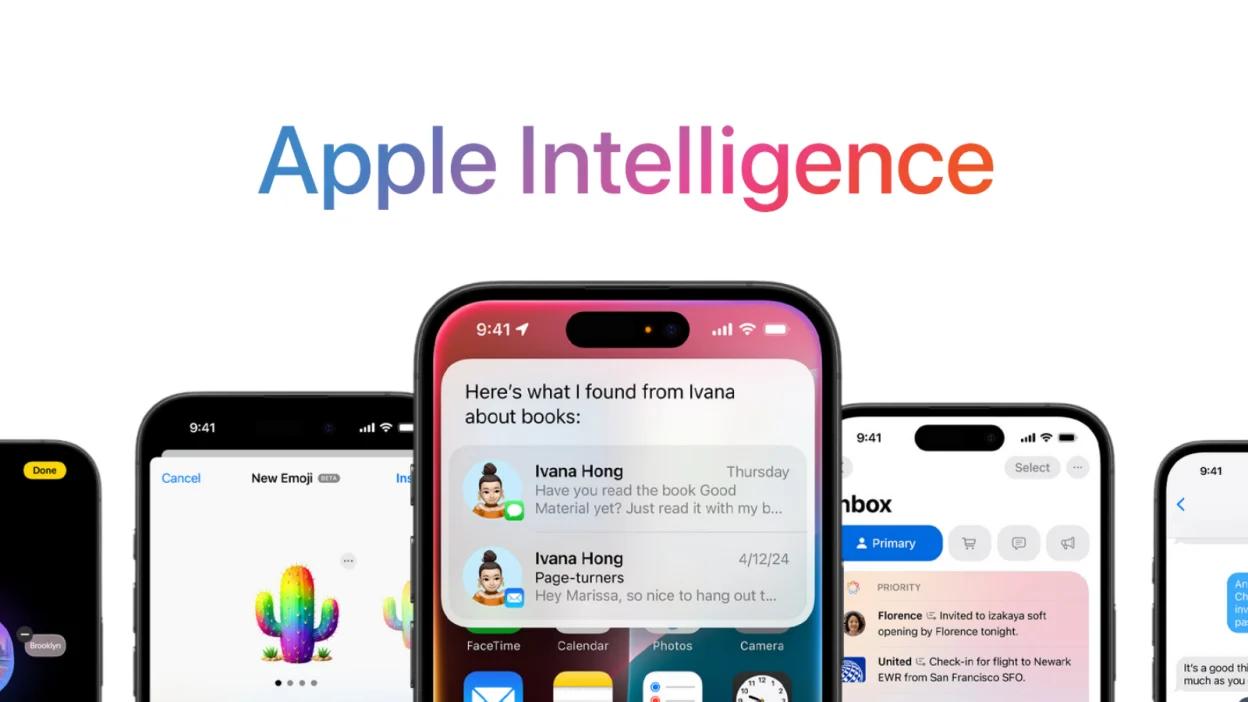
Apple first showed the world what a smarter Siri could look like at WWDC 2024. The demo was compelling: an assistant that could read your screen, pull context from across your apps, and complete multi-step tasks without you having to manage each step manually. The crowd was impressed. Then nothing shipped.
What followed was one of the more damaging stretches in Apple's recent history. The features that Craig Federighi had demoed on stage - on-screen awareness, personal context access, cross-app task execution - were delayed through 2025, blamed internally on architectural issues with what Apple later called its V1 Siri framework. The company moved to a deeper end-to-end V2 architecture to resolve the problems, but that took time it did not have. Meanwhile, OpenAI was shipping GPT-4o with real-time voice capabilities, Google was deepening Gemini's integration across Android and Workspace, Meta was rolling out AI across WhatsApp and Instagram, and Microsoft had Copilot embedded throughout Windows. Apple's flagship AI assistant still could not reliably tell you what was on your own screen.
The fallout was real. Apple agreed to pay $250 million to settle a class action lawsuit in the US that alleged the company had misled consumers by advertising Siri capabilities that were not yet functional. By January 2026, Apple made a deal that would have seemed unthinkable a few years earlier: a formal partnership with Google to use Gemini models as the foundation for the next generation of Apple Intelligence. It was a clear signal that Apple had run out of runway to build its way out of the gap on its own.
WWDC 2026, which took place June 8 at Apple Park in Cupertino, was Apple's shot at redemption. It was also Tim Cook's final WWDC as CEO before he hands the role to Senior VP of Hardware Engineering John Ternus on September 1. The stakes, personal and competitive, were as high as they have ever been.
What actually shipped at the keynote
Apple's biggest announcement was the official rebranding and rebuilding of its assistant as Siri AI - now powered by a new generation of Apple Foundation Models built in collaboration with Google's Gemini family. The result is something meaningfully different from the Siri that shipped on every iPhone for the past decade.
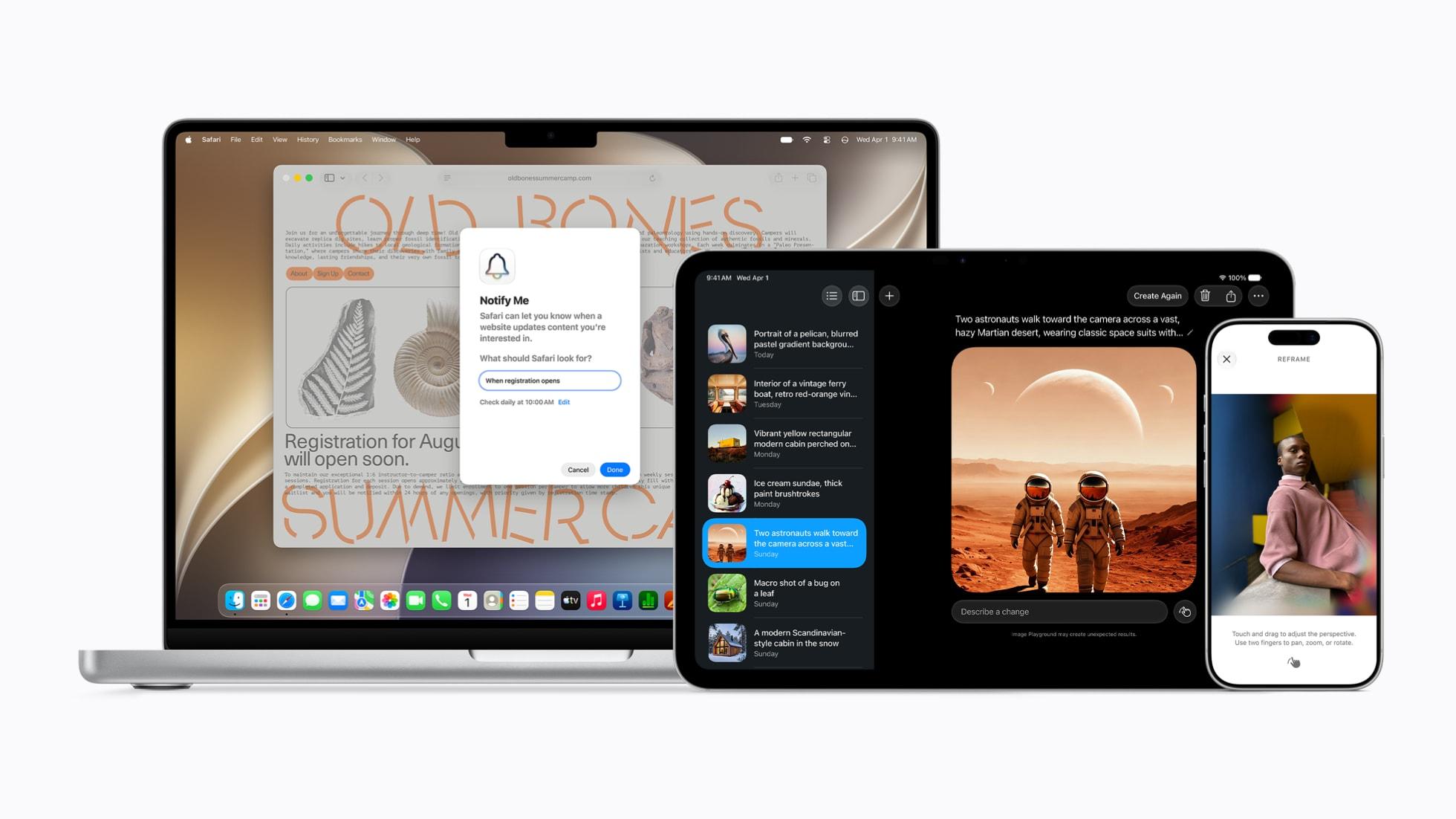
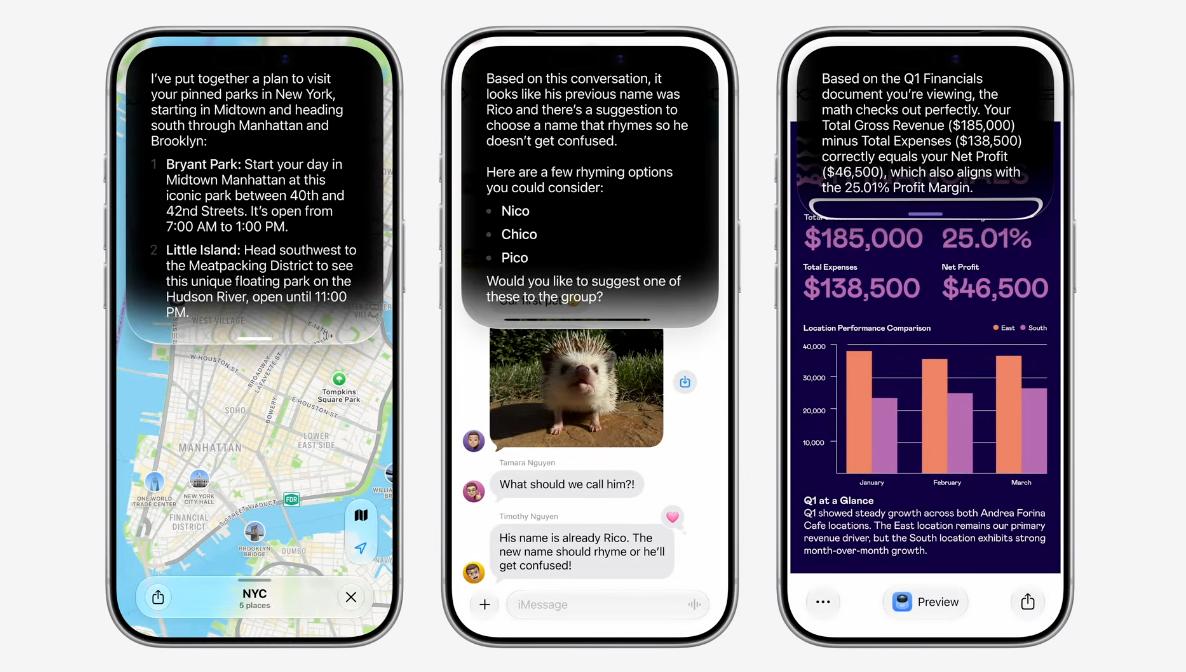
Siri AI now ships with a dedicated standalone app. The new app supports a chatbot-style interface with a persistent chat history, an input bar where users can type queries or attach images, PDFs, and documents - familiar territory for anyone who has used ChatGPT or Gemini on Android. The assistant also appears via the Dynamic Island on iPhone, surfaces contextual suggestions across apps, and now understands what is currently on your screen, which was the most-requested missing feature from the 2024 announcement.
The cross-app context awareness is the most operationally useful addition. Siri AI can now pull information from across your apps - reading a message thread, checking your calendar, surfacing a photo - to complete a request without you switching between apps manually. The Phone app can now pull context from Mail and Messages during an active call. Messages gains AI-powered reply suggestions. Safari gets tab management and one-tap password updating. The new system orchestrator coordinates these actions using what Apple calls Apple Foundation Models V2, a multimodal architecture that can process speech, text, and images across the platform.
On personalization, Siri AI can now adjust the pace and expressivity of its voice responses - moving beyond the flat synthetic voice that had become a standing joke in the AI community. Users can tune how fast and how expressive the assistant sounds, which is a small but meaningful quality-of-life improvement for anyone who actually uses their assistant hands-free.
iOS 27 itself - available from the iPhone 11 onward, making it the widest iOS rollout Apple has ever shipped - carries a broad set of performance improvements alongside the AI updates. New photos load 70% faster. AirDrop transfers are 80% faster. CPU schedulers have been improved to help with multitasking. These are not AI features, but they matter for the overall experience, and they reflect a year where Apple clearly prioritized stability alongside the AI overhaul.
Developer betas are available now. The public rollout is slated for this fall.
The Gemini deal and what Apple is actually buying
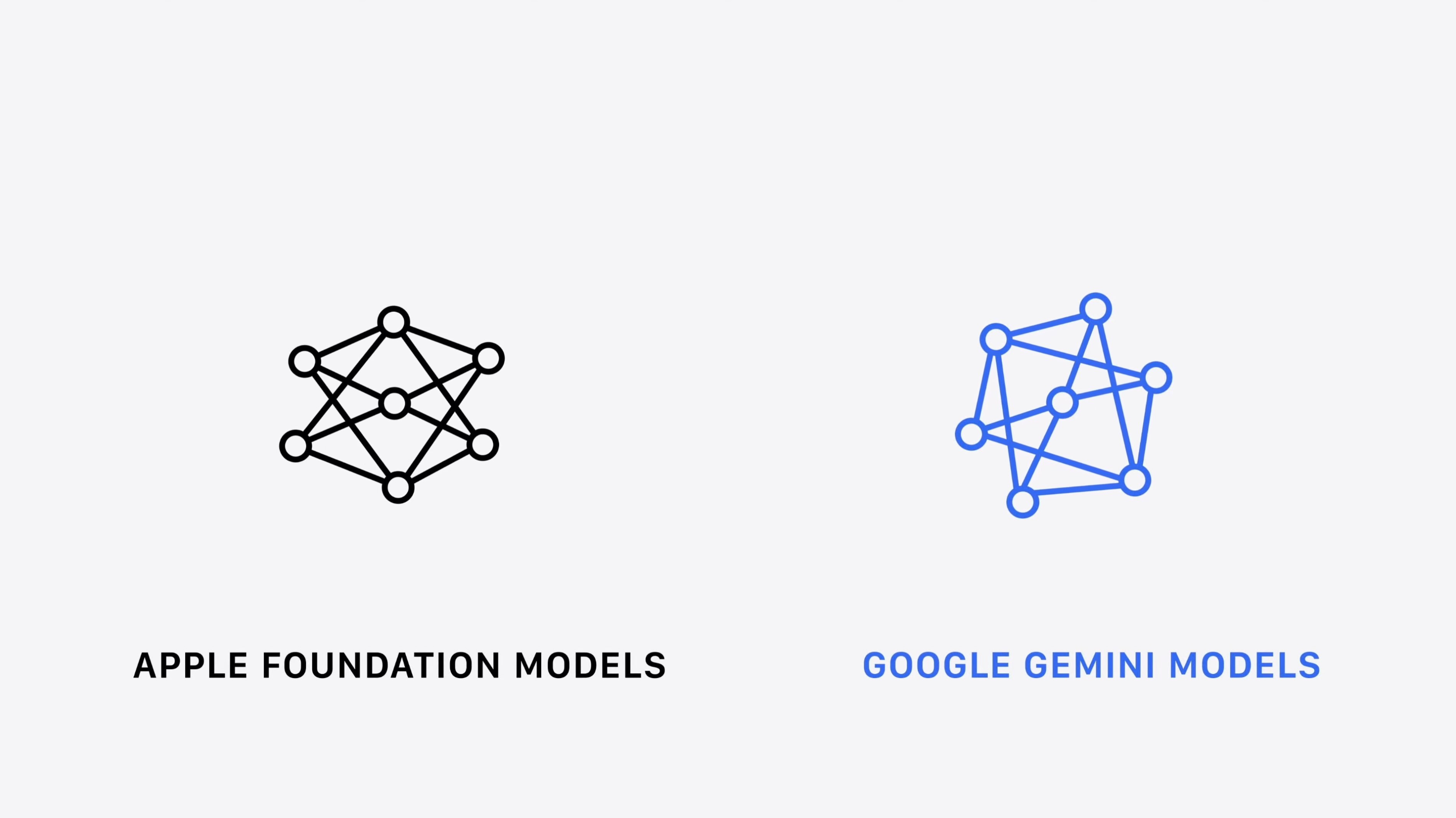
The most structurally significant part of WWDC 2026 has nothing to do with any individual feature. It is the architecture behind all of them. Apple confirmed that the next generation of Apple Foundation Models - the AI layer that powers Siri AI and the broader Apple Intelligence platform - is built on Google's Gemini models and Google Cloud technology. According to Bloomberg, Apple is paying roughly $1 billion per year for access to a custom Gemini model estimated at around 1.2 trillion parameters.
The processing pipeline works in three layers. Lightweight tasks run on-device using Apple's own chips - the M-series on Macs and A-series on recent iPhones. More demanding tasks route through Apple's Private Cloud Compute infrastructure. The most complex tasks - the ones that require genuine reasoning, multi-step planning, or large-context retrieval - are handled by what Apple is calling AFM Cloud Pro, described as comparable in quality to Gemini's frontier-class models. Apple was careful to frame this as a privacy-preserving system, with Craig Federighi stating that data is only used to execute a request and that outside experts can verify that claim at any time.
What Apple is buying with this deal is time and capability it could not build fast enough on its own. Gemini handles the planning, summarization, and complex reasoning layers that Siri's V1 architecture was unable to support. Apple's own models handle the personal context and on-device work where privacy is the primary constraint. The combination is architecturally sensible, but it does raise a genuine question about Apple's long-term differentiation - a point we will get to shortly.
For US enterprise teams deploying iPhones at scale, this matters practically. The Gemini integration means Siri AI will be able to handle richer, more complex requests than anything Apple could have shipped using its own models alone. But it also means that Apple's AI quality is now partially dependent on Google's roadmap - a strategic dependency that would have seemed inconceivable three years ago.
Where Apple still holds a real edge
The easy narrative is that Apple is just running Google's AI inside an Apple logo. That framing undersells what Apple actually brings to the table, even in this new configuration.
First is the hardware-software integration that no other AI assistant can fully replicate. Siri AI runs on Apple Silicon in a way that ChatGPT, Gemini on Android, and Alexa cannot match on competitor hardware. The on-device processing layer means that routine requests - reading a message, setting a timer, pulling a contact from context - do not need to leave the device at all. The latency is lower, and the privacy surface is smaller, than anything Google can offer on a Samsung phone even using the same underlying Gemini models.
Second is the 2.2 billion active Apple devices worldwide. Every iPhone from the iPhone 11 onward gets iOS 27 and Siri AI this fall. That is a deployment scale that no AI assistant outside of Google has ever reached in a single release cycle. For Apple Intelligence to achieve mainstream usage in the US, the install base is not the problem - consumer behavior and discoverability are.
Third is the cross-device ecosystem. Siri AI runs across iPhone, iPad, Mac, Apple Watch, and Vision Pro. The ability to start a request on your phone and continue it on your Mac, with personal context carried through, is something that Google's ecosystem does not yet replicate cleanly for most American users who are not fully on Android and Chrome. For professionals running an Apple-first stack - which describes a large percentage of US knowledge workers - the seamless continuity is a real differentiator.
Analyst Ming-Chi Kuo framed the key question precisely on the day of the keynote: Apple is using the same Gemini as Google, so the question is not whether Siri AI can match Gemini - it is whether Apple can deliver better AI applications, better agentic workflows, and better on-device and cloud hybrid experiences than Google can with the same underlying models. That is a product and design challenge, not a model capability challenge. And product and design are historically where Apple wins.
The honest skeptic's checklist
There is a reason the coverage today is cautiously positive rather than fully celebratory. Apple has made large promises about Siri before and not delivered them. A few things are worth watching before declaring this a full comeback.
The privacy trade-off is real. When Siri AI sends a complex request to AFM Cloud Pro - built on Gemini running on Google Cloud - user data is touching Google's infrastructure. Apple's privacy framing is consistent, and its Private Cloud Compute architecture does create meaningful protections compared to a raw cloud API. But the claim that this is a fully private experience is not quite accurate at scale. US enterprise security teams, especially those in regulated industries, will need to understand exactly which request types route to Google's servers before deploying this broadly.
The features still are not shipping today. Developer betas are available as of June 8, 2026. Public availability is this fall, which likely means September or October alongside new iPhone hardware. Apple has now told users twice that these capabilities are coming - and delivered once, late. Trust is rebuilt through shipping, not announcements.
There is also the question of what happens when the novelty wears off. The demo experience for a redesigned AI assistant is always more impressive than daily use. ChatGPT and Gemini both went through cycles of enthusiasm followed by mixed real-world feedback. The features Apple is shipping - cross-app context, on-screen awareness, multi-step task execution - are genuinely useful for power users. But the majority of iPhone owners in the US use Siri for voice calls, timers, and weather. Whether Siri AI changes habitual behavior for that mainstream user, not just the tech-forward early adopter, will determine whether this is a turnaround or a well-produced demo.
What to track from here
- Fall 2026 public release: The real test is whether Apple ships the features it demoed today on time and without the quality issues that derailed the 2024 cycle. Watch for the September hardware event and the iOS 27 public launch.
- Enterprise adoption signals: CIOs and IT procurement teams at US companies standardized on iPhones will be evaluating whether Siri AI's cross-app context is enterprise-safe. Apple's privacy documentation and enterprise MDM policies for Siri AI will matter as much as the consumer marketing.
- Apple Foundation Models V3: The current architecture is a hybrid - Apple's own models plus Gemini. Apple will not want to be permanently dependent on Google. Watch for a future WWDC or fall event where Apple begins to reduce its reliance on Gemini and grow its own model capabilities.
- Google's response: The Gemini integration gives Apple access to frontier-class AI. But Google is not standing still. Android 17 is shipping agentic features. Google has its own deeply integrated AI assistant layer across Workspace. Apple now wins or loses based on its ability to out-execute Google on product design using the same underlying model.
- Tim Cook's successor: John Ternus takes over as CEO in September. Ternus has no public track record on AI strategy. The direction Apple takes on AI investment, model partnerships, and product prioritization in 2027 and beyond will be set in large part by how Ternus chooses to continue or shift the Gemini strategy Cook put in place.
Sources
Related: TechCrunch - WWDC 2026: Everything announced on Siri AI, iOS 27, Apple Intelligence and moreBloomberg - WWDC 2026 Preview: iOS 27, Siri, AI Features, macOS 27CNBC - Apple WWDC 2026 Live UpdatesMacObserver - Apple Calls Its New Assistant Siri AI at WWDC 2026, Gemini Partnership Now OfficialMacSources - WWDC 2026: Apple Introduces Siri AI, Expands Apple IntelligenceWCCFTech - Ming-Chi Kuo on Siri AI at WWDC 2026Variety - Apple Unveils Siri AI at WWDC 2026Business Standard - WWDC 2026: Siri to iOS 27, what to expect from Apple's biggest AI reset